
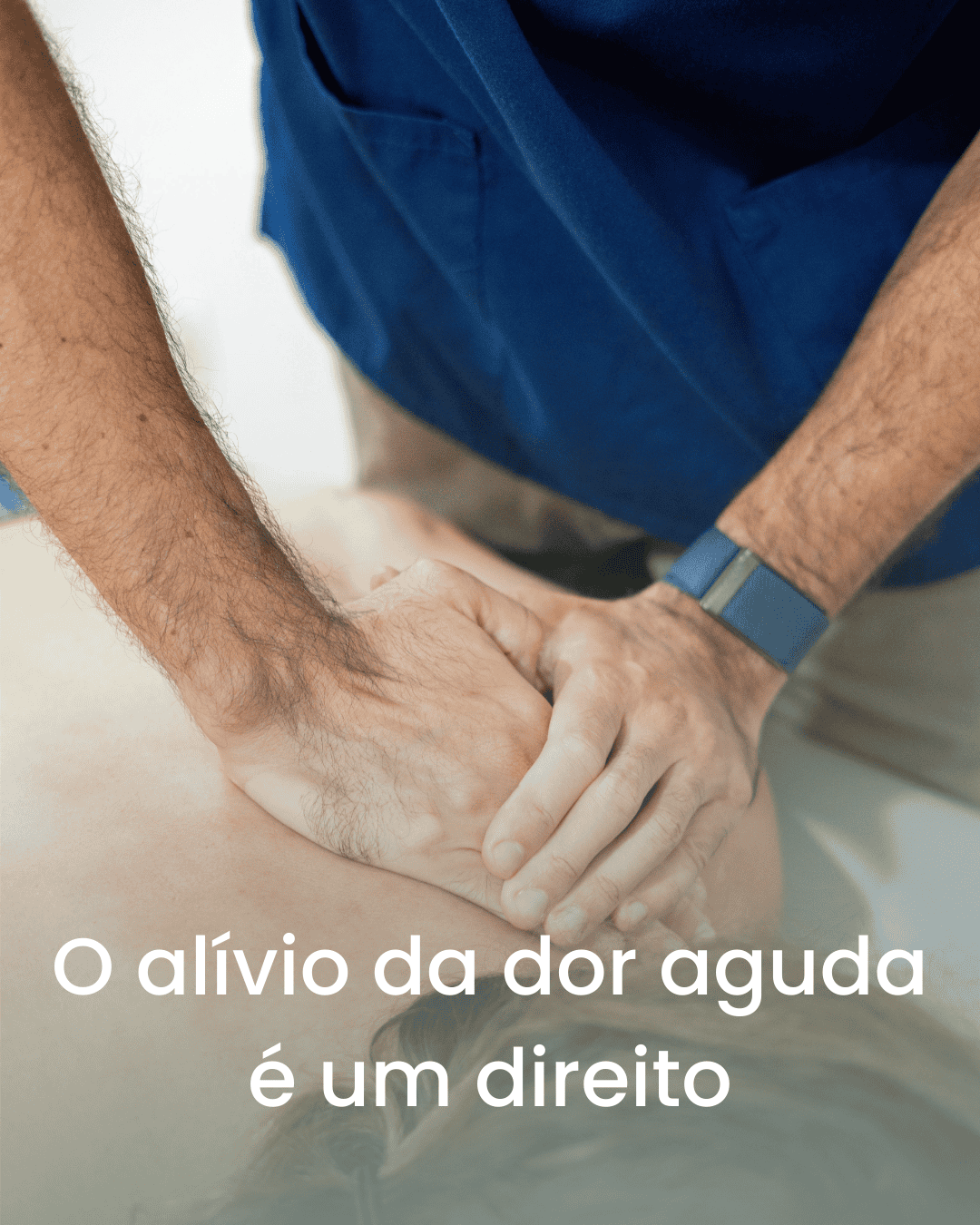
To acute pain often comes on unexpectedly. A movement, an effort, a fall or a sudden episode can cause intense and limiting pain. When this happens, it's common to hear phrases like “it'll pass”, “hang in there for a few more days” or “it's normal for it to hurt”.
In clinical practice, it's important to be clear: acute pain relief is a right. Controlling pain from the outset is neither a luxury nor a sign of weakness - it is an essential part of the recovery process.
What is acute pain?
Acute pain, or rapid onset pain, is the body's response to a recent stimulus and this is its main distinction in the clinical diagnosis of acute pain vs chronic pain. It is usually of limited duration and is more directly related to changes in the tissues or to an identifiable episode.
It is often characterised by:
-
recent beginnings,
-
variable intensity, sometimes high,
-
clear relationship with certain movements or positions,
-
tendency towards progressive improvement.
Although it can be intense, acute pain doesn't necessarily mean gravity. A lower back pain is one of the best examples of this in clinical practice.
Why it's important to relieve pain right from the start
Pain has a protective role, but when it is intense or poorly controlled it can become an obstacle to recovery. Persistent pain in the first few days can lead to:
-
increased muscle tension,
-
stiffness and limited movement,
-
afraid to move,
-
excessive protection strategies.
Adequate pain relief helps the body to recover more safely and reduces the risk of a heart attack. pain lasting over time.
Relieving pain is not “masking the problem”
One of the most common fears is that relieving pain might hide something important. In most cases, this is not the case.
When pain is clinically categorised and accompanied by an appropriate assessment, it can be controlled:
-
does not prevent diagnosis,
-
does not delay recovery,
-
does not increase the risk of injury.
On the contrary, it allows the person to move more confidently and actively participate in the recovery process.
Acute pain should not be ignored, but neither should it be dramatised
Ignoring pain can lead to unnecessary compensation and increased sensitivity. Dramatising it, on the other hand, can generate anxiety and fear, which also hinder recovery.
The balance lies in:
-
recognise pain,
-
understand its meaning,
-
intervene in a way that is appropriate to the stage they are in.
In most situations, acute pain evolves favourably when there is adequate guidance and safe progression.
The role of clinical assessment
At OsteoSalvador, acute pain is assessed carefully, but without alarmism. The aim is to understand:
-
the context in which it arose,
-
how it behaves,
-
which movements aggravate or alleviate it,
-
if there are any signs that warrant further investigation.
This evaluation allows define the most appropriate approach from the outset, and avoiding both excessive interventions and the neglect of pain.
When acute pain deserves special attention
Although many situations are self-limiting, it is important to seek assessment when:
-
the pain is very intense or disabling,
-
there is radiating pain accompanied by loss of strength or sensation,
-
the pain doesn't improve over the first few days,
-
there is significant fear of movement.
In these cases, an early assessment helps to clarify the condition and guide the recovery process.
To summarise
-
Acute pain is common and is part of the body's response
-
Relieving pain from the start facilitates recovery
-
Controlling pain doesn't mean ignoring the problem
-
Proper clinical assessment avoids exaggeration and negligence
-
Most situations evolve favourably
Recognising that relief from acute pain is a right is the first step towards a more peaceful and effective recovery.
More





Book Your Appointment
Ready to get started on your journey to recovery is he a Savior?
Please contact us at: